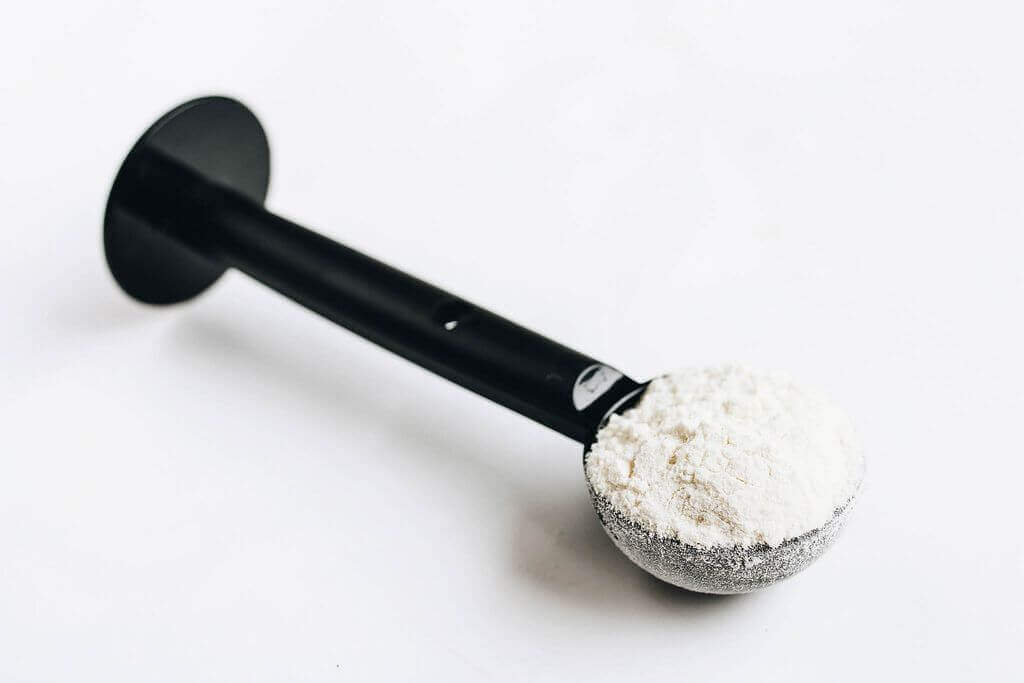
With protein powder, you can get the extra protein your body needs when you exercise. It’s also a great way to add building blocks if you have an increased need for protein for other reasons or if you have an otherwise low-protein diet.
What is protein powder?
Protein powder is a type of food supplement that primarily contains protein in powder form. It is used by people who want to increase their protein intake beyond the amount they get naturally from their diet.
Protein powder is a popular dietary supplement for exercise. But it is also good for people who can benefit from a little extra protein, such as the elderly or vegans.
Protein is the building block of the body
Protein is called the building blocks of the body. Usually when people talk about protein, they associate it with muscle and exercise, preferably weight training.
But the truth is that the body uses these building blocks for a wide range of other functions too.
Protein allows the body to make hormones and enzymes. The immune system and antibodies also depend on adequate protein intake.
Types of protein in protein powders
There are lots of different protein powders to choose from:
- Whey is a type of milk protein and it is popular
- Casein is also derived from milk
- Beef protein is the tendons and cartilage of cattle
- Egg is also available as a powder
- Soy is a common ingredient in vegan protein powder
- Oats is also a popular ingredient
- Peas and rice are common in vegetarian protein powder
- Protein from hemp and pumpkin seeds is also common
Flavour
In addition to the protein itself, the dietary supplement often contains some form of flavouring, such as:
- Cocoa
- Vanilla
- Cranberry
- Other fruit flavours
But there are also protein supplements with all-natural flavours, which is great if you’re going to make a protein shake with fresh fruit or berries, for example.
Sweeteners in protein powders
Many protein powders contain sweeteners. These can include sucralose, acesulfame-k or aspartame.
Stevia (steviol glycosides, extracted from a plant) is becoming increasingly popular as an alternative to the artificial ones. All sweeteners approved in the EU have been assessed as safe by EFSA. People with phenylketonuria (PKU) must avoid aspartame. Some protein supplements are completely sweetener-free.
Other additives in protein supplements
Depending on the protein powder manufacturer, other additives may also be present such as:
- Sweeteners
- Dye
- Xanthan gum
- Emulsifier / soya lecithin
Approved additives have been safety-assessed by EFSA. But if you are particularly concerned about your health, you can choose a protein powder that is completely free of artificial substances and is also organic.
Popular protein powders
Of all the protein powders available, which one should you choose?
VegoFuel takes a look at some of the most common types of protein powders on the market.
Whey protein
Many of the protein powders available are made from whey. It is a product found in milk where it makes up about a fifth of the protein.
Whey protein is popular because it is effective, easily absorbed by the body and cheap. However, it is an animal protein and is not suitable for people with milk allergy. Whey concentrate also contains some lactose, which can be a problem if you are lactose intolerant.
Casein protein
Milk protein is also made up of four-fifths casein and is also available in the form of protein powder.
Casein is absorbed much more slowly than many other proteins and can therefore be a good source of protein in the evening.
Beef protein
Among animal proteins, beef protein is also available as a protein powder. Unlike whey and casein, it is lactose-free.
Most beef protein on the market is made from the residues of the slaughter industry – tendons, cartilage and connective tissue. Apart from being rather unappetising, beef protein usually has a poor amino acid composition: collagen, the main protein in connective tissue, lacks the essential amino acid tryptophan.
“Pass,” we at VegoFuel say, and hastily move on to the vegan alternatives.
Soy protein
Soy protein comes from the soybean and it’s the most common type of vegan protein powder. It is a complete protein that contains all the essential amino acids.
The body can easily absorb soy protein. Therefore, this protein has become popular among people who cannot eat whey protein because they are lactose intolerant, milk allergic or because they are vegan.
Soybeans naturally contain isoflavones, plant substances with weak oestrogen-like effects. Soy protein isolate still contains isoflavones; the amount depends on processing. EFSA has found no evidence that isoflavones from supplements increase the risk of breast cancer or affect the thyroid in peri- and post-menopausal women.
Pea protein
Protein powders made from peas are also common. The proteins in peas are separated from the carbohydrates to form a concentrate.
It contains all the essential amino acids. However, it is low in methionine. For this reason, mixtures are often created with pea protein and another vegetable protein source, such as rice protein.
Oat protein
Oat is a common vegetable protein source. Consequently, there are a lot of protein powders based on oat protein.
It is relatively low in the essential amino acids lysine and methionine. This protein is often combined with pea protein to get a more complete coverage of amino acids.
An advantage of oat protein is that it tastes pleasant and is therefore easy to mix into various shakes or meals.
Hemp protein
Hemp protein powder is made from hemp seeds. Yes, it’s the same type of plant used for marijuana – but rest assured – it has no narcotic effect whatsoever and is completely legal!
Hemp protein contains all the essential amino acids, but lysine is on the low side. Therefore, you should combine this protein powder with other protein sources.
A plus, however, is that hemp protein also contains essential fatty acids (Omega 3 and Omega 6) and dietary fibre. It also contains magnesium, iron, B vitamins and other beneficial substances.
Rice protein
Rice protein has all the essential amino acids, but it is low in lysine. For that reason, it should be mixed with other proteins such as pea protein.
An advantage of rice protein is that it has a neutral taste which makes it suitable for various protein drinks. It is also gentle on the stomach.
Like rice, rice protein may contain arsenic, which is taken up from soil and water. Livsmedelsverket advises adults not to eat rice and rice products every day and to vary between foods and brands.
Cheap protein powder
How much does protein cost and what is a cheap protein powder anyway?
There are big differences in price between different types of protein powders and between different manufacturers. The prices below are from when we compared them in 2022 and are only a rough guide – check current prices with the retailer.
- The cheapest is whey protein. In 2022 it could be bought for around SEK 150 per kilo, which is very cheap. At the same time, there was whey protein that cost around 500 SEK per kilo as well.
- Casein protein was more expensive, at around 250 – 500 SEK per kilo of protein powder.
- Beef protein cost around 200 – 400 SEK.
- Among the vegetarian options we have soy protein which was in the price range of 180 – 200 SEK per kilo. We think this can be seen as cheap.
- A vegan protein mix with peas, oats and rice often went for 250 – 450 SEK which is not exactly cheap, but still OK.
- Hemp protein was quite expensive at around 300 – 450 SEK per kilo.
Vegan protein powder increasingly popular
Vegan protein powder or vegetable protein powder is protein that is completely free of substances from the animal kingdom. These supplements are becoming increasingly popular. More people are choosing this type of protein source for the sake of the environment and, of course, for the animals.
Although whey protein, for example, is very much a by-product of dairy production, the fact remains. This protein is dependent on large numbers of livestock being out to graze. It contributes to the emission of CO2 and other greenhouse gases.
Which is the best vegan protein powder?
Just because many people choose whey protein for its rich amino acid profile doesn’t mean you need to despair if you want to eat completely vegan. There are plenty of good vegan protein sources.
But which vegan protein powder should you buy? Which is best?
A: A blend of different vegan proteins is best. The following blend provides a fairly complete amino acid profile and tastes great:
- Pea protein
- Oat protein
- Rice protein
If you’re going to choose a single protein from a vegan source, it has to be soy protein. It is the most complete vegan protein powder and it contains all the essential amino acids. However, it is low in methionine.
Our choice is therefore a mixture of pea protein, oat protein and rice protein.
Tip – If you are allergic to legumes, there are vegetarian protein powders that contain only oats and rice!
Vegetarian protein vs animal protein
Critics argue that vegetarian protein is not of the same high quality as animal protein – whether it’s in the form of whey or pure meat.
There is some truth to the claim, but the answer needs some explanation.
For a protein to be called complete, it must contain all 9 so-called essential amino acids. Eggs, meat and milk are full sources of protein.
Plant foods such as beans, nuts or peas also contain all of them, but usually one or more in too small an amount. But if a single food is low in some essential amino acids, there’s really no problem – you just have to combine them! It’s enough to get them all in during the day.
If we’re talking about protein powder, the problem is even less. Many of the vegan protein supplements on the market consist of several protein sources that together provide a full amino acid profile.
Read more about vegan protein powder in our special article!
Who needs protein supplements?
Do you really need to eat extra protein as a supplement? The short answer is no. Most people get enough protein from a varied diet with enough energy – even if you’re a vegetarian or vegan.
But some people have an increased need for protein. If you do strength training or exercise and don’t eat enough protein-rich food, you won’t reach your full potential. You need protein to build muscle and recover.
Tips – Please read our article on how much protein you need per day.
Contrary to what you might think, older people also have an increased need for protein. We’re talking retirement age and up: for people over 65, Livsmedelsverket recommends 1.2–1.5 grams of protein per kilogram of body weight per day. If you belong to this group and also have a bit of a poor appetite – well then supplementing your diet with a protein supplement is a very good choice.
Buy protein online
VegoFuel loves protein. To be precise: We love vegan protein. With our partners, you’ll find plenty of both vegetarian protein powders and more “classic” whey protein to buy online.
Frequently asked questions about protein powder
What does protein powder do?
Protein powder helps you get more of the body’s building blocks, proteins. If you train hard and often, you can improve your muscle building by supplementing a high-protein diet with extra protein supplements.
Is protein powder good?
Protein powder is good for those who exercise or otherwise need a protein supplement. If you don’t exercise very much, you’re probably getting enough protein from a regular home-cooked diet.
When should you take protein powder?
The exact timing is not critical, but if you can spread your intake out over three times during the day, it’s probably a good thing. It can also be good if one of the intakes is reasonably close to your workout. Some people claim that taking protein in the evening is a good thing so that your muscles can recover during the night.
Is protein powder dangerous?
No, protein and protein powder are generally not dangerous. Rice-based products can, however, contain arsenic, so follow Livsmedelsverket’s advice and vary your sources. However, if you are allergic to any of the ingredients, such as whey or casein (milk protein), soya or peas, you should of course avoid this type of protein powder. At VegoFuel we also like to avoid artificial sweeteners and unnecessary additives.
How much protein powder should you eat?
An adult needs about 0.83 grams of protein per kilogram of body weight per day. A background review for the Nordic Nutrition Recommendations 2023, citing sports-nutrition guidelines, states that people who exercise generally need 1.2–2.0 grams of protein per kilogram of body weight per day; supplementing above about 1.6 g/kg does not add further muscle gain. You are likely to get a significant proportion of this from food – the rest can be obtained from protein powder.
Why take protein powder?
If you are exercising or if you are not getting enough protein from your diet, it is a good idea to get extra protein from a protein supplement. However, most people do well on regular protein-rich foods.
How long does protein powder last?
How long it lasts depends on the type of protein powder and its additives. For example, a test of whey protein concentrate showed a shelf life of at least 18 months when stored sealed at room temperature or cooler. Most protein powder manufacturers indicate the date of manufacture and the best before date.
Is it dangerous to eat old protein powder?
No, if the protein powder has been stored properly, its quality will probably only decline gradually over time. But if it has a rancid smell, starts to clump, changes colour or suddenly tastes bitter, it is a sign that it has oxidised. Then you shouldn’t eat it.
Is there protein powder without sweeteners?
Yes, there are protein powders that are completely sweetener-free, and there are protein supplements that contain only natural sweeteners such as stevia.
Which protein powder is best for building muscle?
Whey protein is the protein powder that is considered the best for building muscle because it has a high content of essential amino acids and is easily absorbed. But vegan options like soy protein or a blend of oat, pea and rice protein can also work well.
Is whey protein environmentally friendly?
It depends on how you calculate. If you take milk for granted, you can consider whey as a residual product and then the CO2 footprint is very low. On the other hand, if we want to drastically reduce the use of cows (which are actually environmentally harmful) then we will have to choose vegetable protein sources to be environmentally friendly.
Which vegan protein powder is best for the environment?
Soy protein has a low carbon footprint, but most of the world’s soy is used as animal feed (or biofuel) – only about 6% is eaten directly by people. Pea protein and oat protein are considered environmentally friendly protein powders.
Which protein powders are lactose-free?
All vegan protein powders such as soy protein, pea protein, rice protein, oat protein and hemp protein are completely lactose-free.
Is there a vegan protein powder without soy?
Yes, many of the vegan protein powders on the market are completely soy-free.
Sources
- Livsmedelsverket: Protein
- Geirsdóttir & Pajari, Protein – a scoping review for Nordic Nutrition Recommendations 2023
- Gorissen et al., Protein content and amino acid composition of commercially available plant-based protein isolates
- Livsmedelsverket: Arsenik i ris
- EFSA: Risk assessment for peri- and post-menopausal women taking food supplements containing isolated isoflavones
- Tunick et al., Physical and chemical changes in whey protein concentrate stored at elevated temperature and humidity
- Paul et al., Significant amounts of functional collagen peptides can be incorporated in the diet while maintaining indispensable amino acid balance
- Our World in Data: Drivers of deforestation
- Livsmedelsverket: Sötningsmedel
- Davoodi et al., Health-related aspects of milk proteins
Photo: Protein powder in a spoon by Marco Verch Creative Commons 2.0