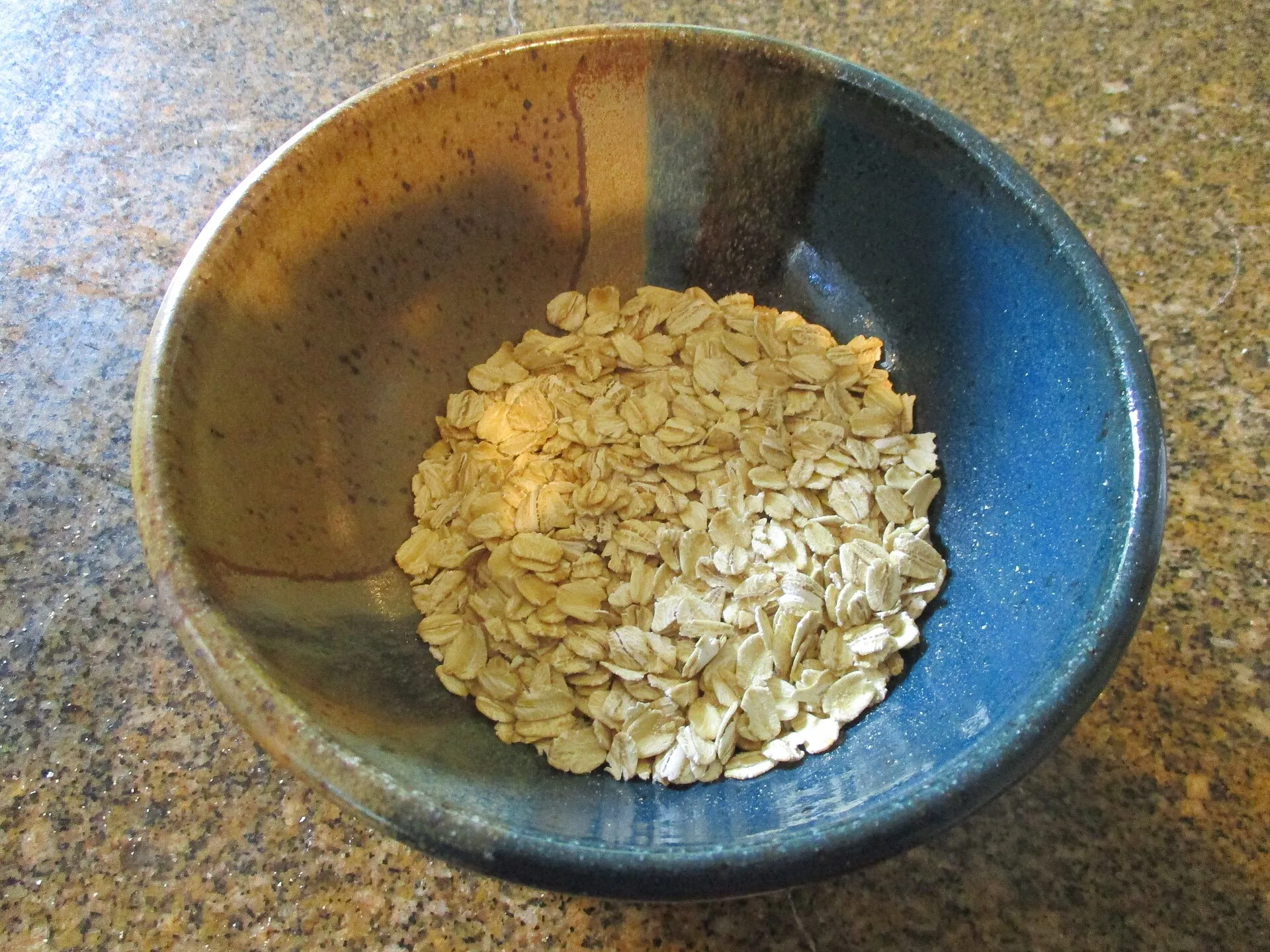
Oatmeal is a good plant-based source of protein. Rolled oats contain 9.5 grams of protein per 100 grams according to the Swedish Food Agency's food composition database, and oat protein contains all the essential amino acids.
✅ Oats and oatmeal are a 100% vegan source of protein
Protein in oatmeal
Oats are a good source of protein among the cereals. According to the Swedish Food Agency, cereals and legumes are important sources of protein in the plant kingdom.
- Rolled oats contain 9.5 grams of protein per 100 grams
- 1 dl of rolled oats weighs 35–39 grams and provides about 3.5 grams of protein, so a serving of porridge made with 1 dl of oats gives roughly that much protein (plus whatever is in the milk or plant drink you use)
- Oat flour contains 11.3 grams and oat bran 15.1 grams of protein per 100 grams
- Cooked oatmeal porridge contains 1.7 grams and boiled whole oat groats 5.8 grams of protein per 100 grams, because they have absorbed water
The nutrition label on the package may show a somewhat higher protein content. One reason is that the EU labelling rules calculate protein as nitrogen × 6.25, while the food composition database uses the factor 5.83 for oats.
Like most plant foods, oats contain all the essential amino acids, but cereals contain fairly little of the amino acid lysine. Legumes such as peas, beans and lentils have more lysine, so oats and legumes complement each other.
Some manufacturers sell so-called protein oats, where oats are mixed with, for example, pea protein to raise the protein content. Check the protein content on the package.
Price – how much oat protein costs
Oats have long been a cheap protein. When we compared Swedish shop prices in August 2021, oatmeal was the cheapest of the protein sources we looked at. Prices have changed since then, so see the table as a comparison and not as today's prices.:
| Approximate price per 100 g protein (USD), August 2021 | |
| Oatmeal | 1.0 |
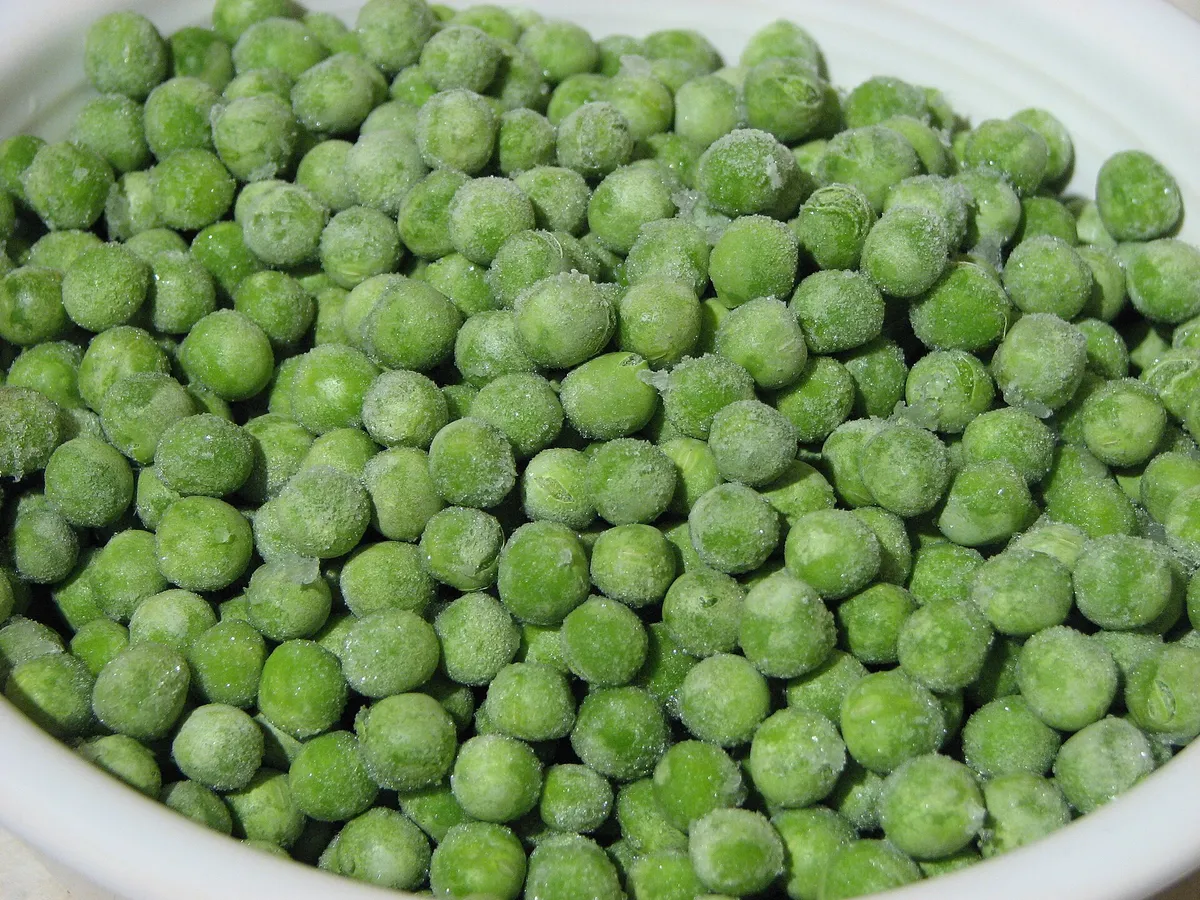
| Frozen peas | 2.6 |
| Milk | 2.6 |
| Egg | 2.8 |
| Nut mince | 4.9 |
| Red kidney beans | 5.4 |
| Frozen soya beans | 9.5 |
Oatmeal to cover the daily requirement of protein?
How much oatmeal do you need to eat to cover your daily requirement of protein? Oats contain a fair amount of protein, but you need to eat quite a lot to cover your daily requirement.
With 9.5 grams of protein per 100 grams, a person who weighs 60 kilos and trains little or not at all would need to eat just over 600 grams of rolled oats per day to cover the whole protein requirement with oats alone. This is how much oats you would need to eat:
| Training | 60 kg | 75 kg | 90 kg |
|---|---|---|---|
| Low (1 g/kg) | 632 | 789 | 947 |
| Medium (1.3 g/kg) | 821 | 1026 | 1232 |
| Hard (1.6 g/kg) | 1011 | 1263 | 1516 |
Tips – Also read our article on how much protein you need per day.
Complement oatmeal with extra vegan protein
Oatmeal is a good vegan protein source that you can happily eat every day. However, if you are exercising, you can supplement with a vegan protein powder to get enough protein in your diet.
Why not add some protein powder to your porridge or make a tasty smoothie with oatmeal and vegan protein powder?
Read more in our article on vegan protein powder
Other benefits of oatmeal
Besides protein, oatmeal has several other benefits. Per 100 grams, rolled oats contain 7.5 grams of fibre, 3.4 mg of iron, 110 mg of magnesium and 2.6 mg of zinc.
- 100 percent whole grain – according to the Swedish Food Agency, eating whole grains reduces the risk of coronary heart disease, type 2 diabetes and colorectal cancer
- Fibre, minerals and vitamins, including iron, magnesium, zinc and thiamine (vitamin B1)
- Little saturated fat – 7.0 grams of fat per 100 grams, of which 1.1 grams saturated
- Lowers cholesterol – oat beta-glucan has been shown to lower blood cholesterol; the effect is obtained with a daily intake of 3 grams of beta-glucan
- Good for the intestines – oat grain fibre contributes to an increase in faecal bulk
- 100 percent whole grain
- High in fibre – 7.5 g per 100 g
- Source of iron, magnesium and zinc
- Oat beta-glucan has been shown to lower blood cholesterol
Sources
- Swedish Food Agency, food composition database: Rolled oats wholegrain
- Swedish Food Agency, food composition database: Oat flour wholegrain
- Swedish Food Agency, food composition database: Oat bran
- Swedish Food Agency, food composition database: Oatmeal porridge wholegrain
- Swedish Food Agency, food composition database: Oat groats, whole, boiled with salt
- Swedish Food Agency: Volume weights, yield factors and waste (PM 2024)
- Swedish Food Agency: Protein (in Swedish)
- Swedish Food Agency: Whole grains (in Swedish)
- EU Regulation 432/2012 on permitted health claims
- EU Regulation 1160/2011 on the health claim for oat beta-glucan
- EU Regulation 1169/2011 on food information to consumers
Bildkällor
- Uncooked rolled oats in a blue ceramic bowl on a stone countertop: Bodhi Peace, CC BY-SA 4.0 · Wikimedia Commons · Licens