How much protein powder per day do you really need?
- If you exercise frequently and intensively, you need at least 1.6 grams of protein per kg of body weight per day.
- For medium-intensity training, 1.3 grams of protein per kilogram is recommended.
- If you train rarely or never, the daily requirement is around 1 gram per kilogram of body weight.
In this article we at VegoFuel go through the daily protein requirement.
How much protein powder per day should you eat?
Opinions differ on how much protein powder is actually needed daily. Several researchers believe that previous recommended intakes have been too low. Others argue that now more than ever there is an unwarranted hysteria about the need for protein.
Today, however, many believe that an adult who does not exercise should consume at least 1 g of protein per kilo of body weight. If you are strength training or otherwise physically active, you need to eat at least 1.3g per kilo per day, but preferably more.
Tip – It’s easy to get enough protein with a vegan protein powder
A scoop of vegan protein powder is a simple way to top up your daily intake.
The World Health Organization on how much protein to eat per day
A WHO/FAO/UNU expert report (1), based on nitrogen balance studies, sets a safe intake level of 0.83 g protein per kg of body weight per day.
However, this is in the low range. The WHO itself states that it covers the basic needs of 97.5% of the world’s population, i.e. not everyone.
There is therefore no margin for additional protein requirements and no consideration of the possible benefits of eating more protein.
If you are strength training, physically active or playing sports, this minimum level is far too low.
Recent studies point to a higher daily protein requirement
According to a review by Guoyao Wu (2), we should consume the following amount of protein per day:
- No exercise: 1.0 g protein/kg
- Medium-intensity exercise: 1.3 g protein/kg
- Intensive exercise: 1.6 g protein/kg
These results are more in line with another study (3). It reanalyzed existing nitrogen balance studies and arrived at an average requirement of 0.91 g/kg per day and a population-safe intake of 0.99 g/kg per day.
The same researchers also developed a new method to assess the amount of protein needed per day. The estimate was instead 0.93 g/kg per day (average) and 1.2 g/kg per day (population-safe).
Protein requirement method here on VegoFuel
We at VegoFuel have taken the above research into account.
When we calculate how much vegetarian food we need to eat to get enough protein each day, we start from these figures:
The 1 – 1.3 – 1.6 g/kg scale for minimal, average and intense physical activity respectively serves as a simple but good guideline for how much protein you need per day.
What influences protein powder requirements?
How much protein powder you need depends on several factors:
Exercise
If you are strength training or otherwise physically active, your protein needs may be double – or more – than someone who is not exercising.
Muscles
The more you weigh and the more muscle you build, the more protein you need in total grams. Remember, if you don’t get enough protein, your muscles will break down even when you rest!
Age
As you start to reach retirement age, your daily protein requirement increases. The Nordic Nutrition Recommendations (NNR 2012) used about 1.2 g per kg body weight per day for food planning for people over 65 (9), and some researchers suggest 1.2 – 1.6 g (5).
Calories
Protein needs are best expressed per kg of body weight, but if you are in a calorie deficit, your body needs a higher protein intake.
Pregnancy or breastfeeding
If you are pregnant or breastfeeding, your body needs more protein because you need to “share” some of the protein with your baby.
How much protein to build muscle?
If you want to build muscle, your training is definitely classified as intense. According to current research, the minimum recommended intake for weightlifting and bodybuilding is around 1.4 – 1.6 grams per kilogram of body weight.
According to Jäger et al. (4), an intake of 1.4 – 2.0 grams of protein per kilogram per day is sufficient for most strength trainers and muscle builders.
If you train really hard, you should stay in the upper end of that range.
Keep in mind that you should spread your protein intake throughout the day, roughly every 3–4 hours, to best stimulate muscle building. Many strength trainers choose to take a shake with protein powder before bedtime, which can raise muscle protein synthesis during the night (4).
You need more protein if you’re in a calorie deficit
Another thing to keep in mind is that protein needs increase if you reduce your calorie intake and run a calorie deficit. This is the case, for example, if you are fasting. According to Jäger et al. (4), strength trainers may need 2.3 – 3.1 g/kg per day during such periods to keep as much muscle as possible.
Older people need more protein
As you get older, your body needs more protein than before. Protein helps the body to counteract muscle breakdown, which has positive effects on health and can contribute to better functionality.
Previous studies recommend that older people should eat at least 1.0 – 1.2 grams of protein per kilogram of body weight.
A Canadian review (5) concludes that at least 1.2 – 1.6 g of protein per kg is a better target for adults. It refers to an American study (7) in which men and women aged 70-79 years with the highest protein intake lost about 40% less lean mass in the arms and legs over 3 years than those with the lowest intake.
In another study (8), women aged 65-79 years whose protein intake relative to total calorie intake was 20% higher had a 32% lower risk of frailty over the next 3 years.
The Swedish Food Agency (Livsmedelsverket) also recommends (6) that people over 65 eat a little more protein. However, the agency does not specify exactly how much, but gives the tip to include protein in every meal, including snacks, especially if you have a poor appetite.
Tip – Read our article on vegan protein powder. A plant-based protein powder is an easy way for older people to increase their protein intake without adding any cholesterol.
Protein per day to lose weight
If you want to lose weight, you will need to reduce your calorie intake. When there is a deficit of calories, the body starts to use fat reserves instead.
Unfortunately, the body’s breakdown of the proteins in your muscles also increases. Therefore, if you are dieting or losing weight, your protein needs will increase.
By eating extra protein when you are trying to lose weight, you will counteract muscle breakdown. Higher-protein diets also improve satiety and lead to greater fat loss than standard-protein diets (5).
How much protein powder per day is dangerous?
Eating far more protein than you need brings no extra benefit, and very high intakes over a long time may cause problems.
According to the aforementioned Guoyao Wu, it is safe to eat up to 2 grams of protein per kg for healthy adults. For well-adapted individuals, the upper tolerable limit is 3.5 grams per kilogram, according to the review. However, the same review states that a chronic intake of more than 2 grams per kg may cause problems with the kidneys, blood vessels and digestion. The higher ISSN figure of 2.3 – 3.1 g/kg (4) applies to resistance-trained people during short periods of calorie deficit, not to everyday intake. Phillips et al. (5), on the other hand, found no evidence-based link between higher protein diets and kidney disease or poor bone health.
Choose good sources of protein
Almost all food contains protein, but to get enough protein in your diet each day you need to prioritize what you eat. This is especially important if you’re vegan or vegetarian as it’s easy to forget to eat enough protein-rich food.
Beans, lentils, soybeans, peas, chickpeas and chia seeds are examples of good vegetarian protein sources. Nuts and seeds of various kinds are also high in protein.
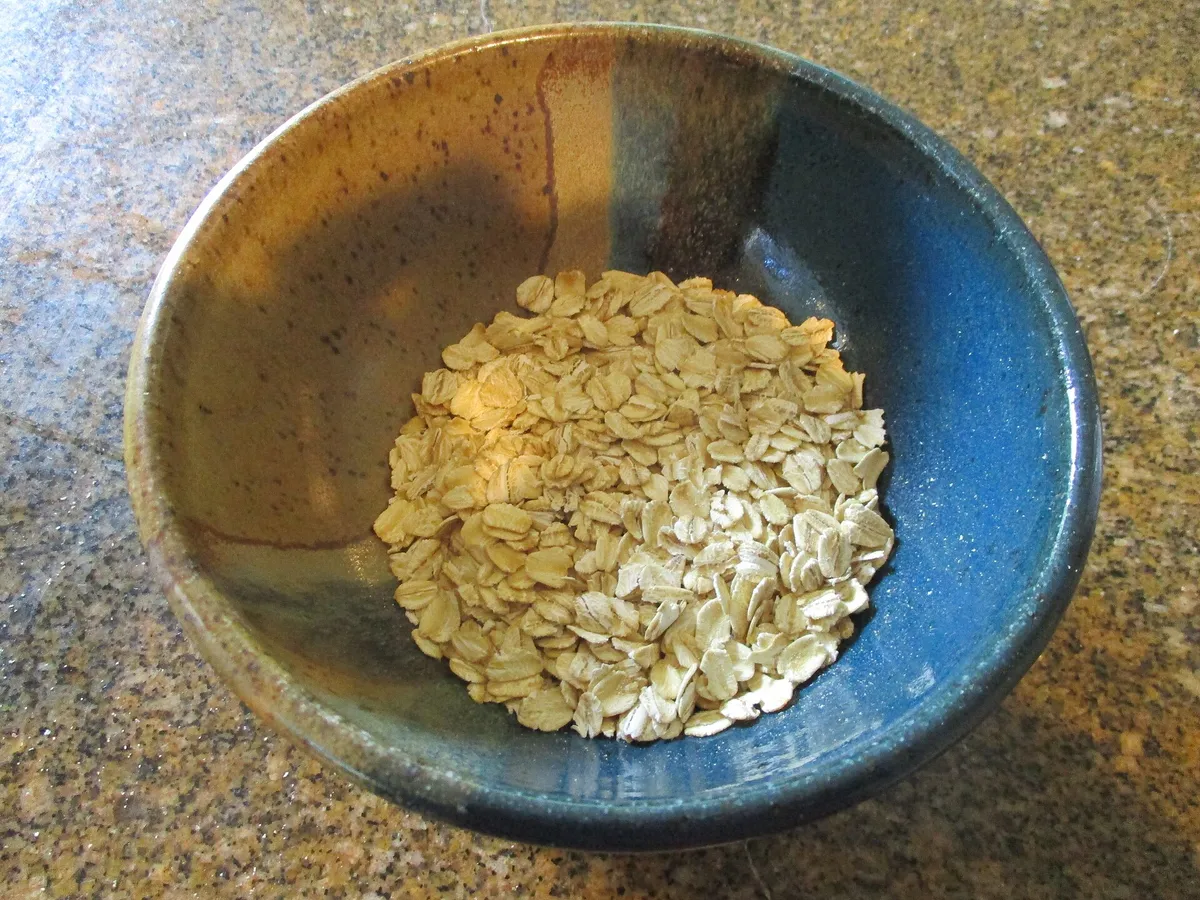
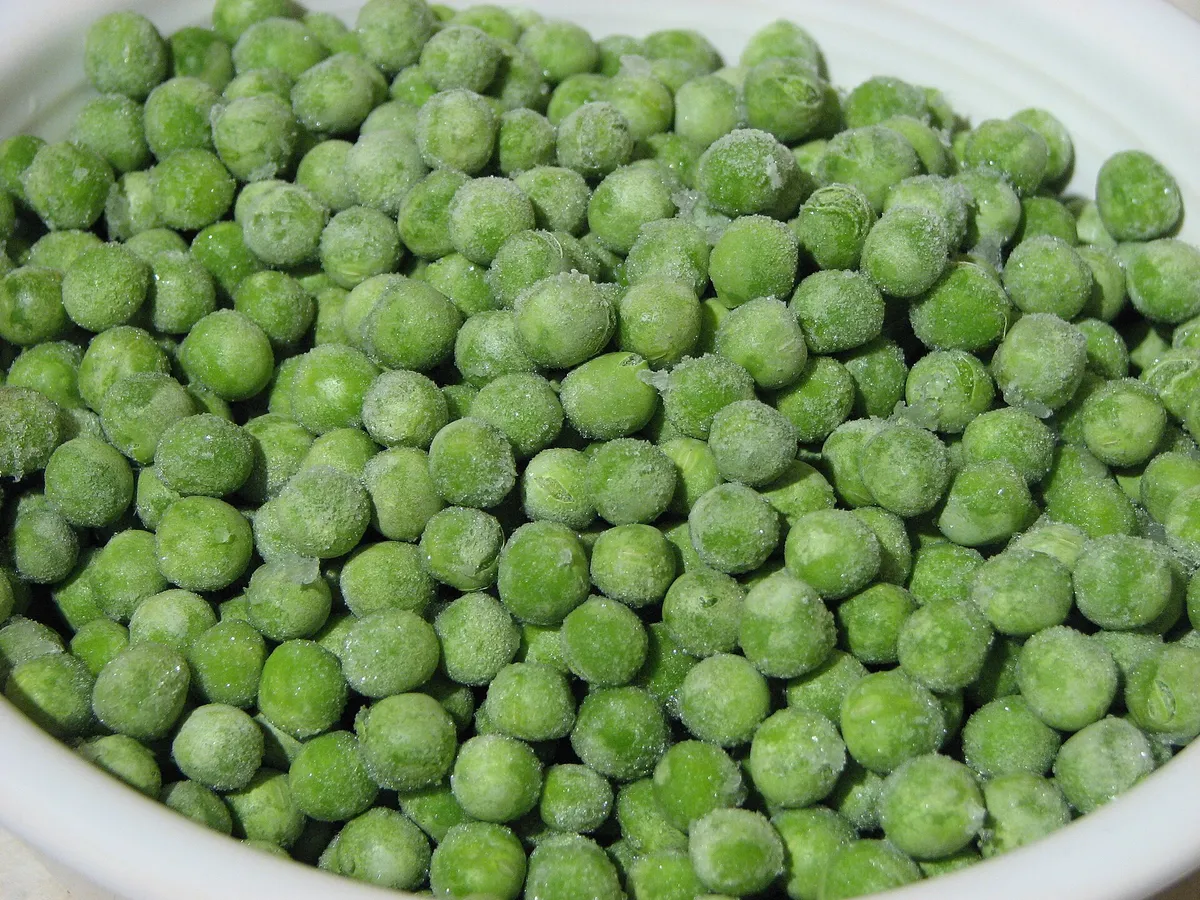
Tip – Read our articles on protein in peas and protein in oatmeal too!
Want to make sure you’re getting enough protein?
With a vegan protein powder, you can easily get the daily recommended amount of protein. That’s true whether you’re strength training, exercising or just a regular vegan or vegetarian!
Sources
- WHO/ FAO/ UNU (2007) World Health Organization, Food and Agriculture Organization; Protein and amino acid requirements in human nutrition; United Nations University
- Guoyao Wu: Dietary protein intake and human health; Departments of Animal Science and Medical Physiology and Faculty of Nutrition, Texas A&M University, College Station, Texas
- Elango, Rajavela; Humayun, Mohammad; Ball, Ronald; Pencharz, Paul B; Evidence that protein requirements have been significantly underestimated; Current Opinion in Clinical Nutrition and Metabolic Care: January 2010 – Volume 13 – Issue 1 – p 52-57
- Jäger, R., Kerksick, C.M., Campbell, B.I. et al; International Society of Sports Nutrition Position Stand: protein and exercise; J Int Soc Sports Nutr 14, 20 (2017).
- Stuart M. Phillips, Stéphanie Chevalier, and Heather J. Leidy; Protein “requirements” beyond the RDA: implications for optimizing health; Applied Physiology, Nutrition, and Metabolism; 9 February 2016
- Livsmedelsverket, Smak för livet – Goda råd om mat för dig över 65 (PDF, in Swedish)
- Houston DK et al.; Dietary protein intake is associated with lean mass change in older, community-dwelling adults: the Health, Aging, and Body Composition (Health ABC) Study; Am J Clin Nutr 2008;87(1):150-5
- Beasley JM et al.; Protein intake and incident frailty in the Women’s Health Initiative observational study; J Am Geriatr Soc 2010;58(6):1063-71
- Geirsdóttir ÓG, Pajari AM; Protein – a scoping review for Nordic Nutrition Recommendations 2023; Food Nutr Res 2023